Your Portfolio is Obsolete. Here's the AI-Powered Workflow Recruiters Want to See in 2026.
The age of the single-piece, one-size-fits-all online presence is officially over. As we move through 2025 and 2026, the widespread "AI vibe" in cyber crafting is a model of deep tailoring. The motivation of the AI website generator is Artificial Intelligence, operating as a lead crafter for every particular client who views a platform. This is not simply about placing a visitor's handle into a greeting; it's about fundamentally re-architecting the material, functionality, and layout of a web presence in instantaneously to fashion a customized journey for an clientele of one. This shift is universalizing premium web creation and reinventing what it represents for a digital presence to be truly "user-centric."

Engineering for the Client: The Adaptive Server-side
The wonder of deep customization for the AI website creation begins deep in the site's structure. Programmers in 2025 are no longer constructing fixed routes but are instead developing malleable environments where AI acts as a primary controller, putting together customer encounters on the run. This requires a change away from rigid instructions and toward a more flexible, procedural paradigm of production.
Computational Route Planning and Framework
The most deep transformation for the AI website coding is in how a individual navigates a site. Rather of sticking to a pre-defined sitemap, each visitor's path is systematically built founded on their information signature and in-the-moment behavior.
- Forecasting Journeys: AI inspects a user's entry point, former acquisitions, and viewing customs to foresee their aim and adaptively rearranges site directories and prompts to display the most smoothest route to desired outcome.
- Live Feature Control: An AI can deduce a visitor's skill level and modify settings accordingly. For a proficient individual, it might expose complex sorting mechanisms, while for a inexperienced user, it might introduce a easier, guided shopping experience.
- Procedural Text Units: The true substance of a page is no longer permanent. An AI can create item summaries, entries, and even compliance statements from a repository of modules, adjusting the tone, duration, and terminology to resonate with that unique customer.
The Sentient Canvas: Layout That Modifies and Foresees
The display is where this individualized infrastructure comes to vitality. The "AI vibe" in presentation is about building a perceptive layout—an display that doesn't just answer to inputs but consciously changes to the visitor's situation, requirements, and even unspoken intent. This represents the evolution from mobile-friendly structure to fully proactive aesthetics.
Context-Sensitive and Adjusting Displays
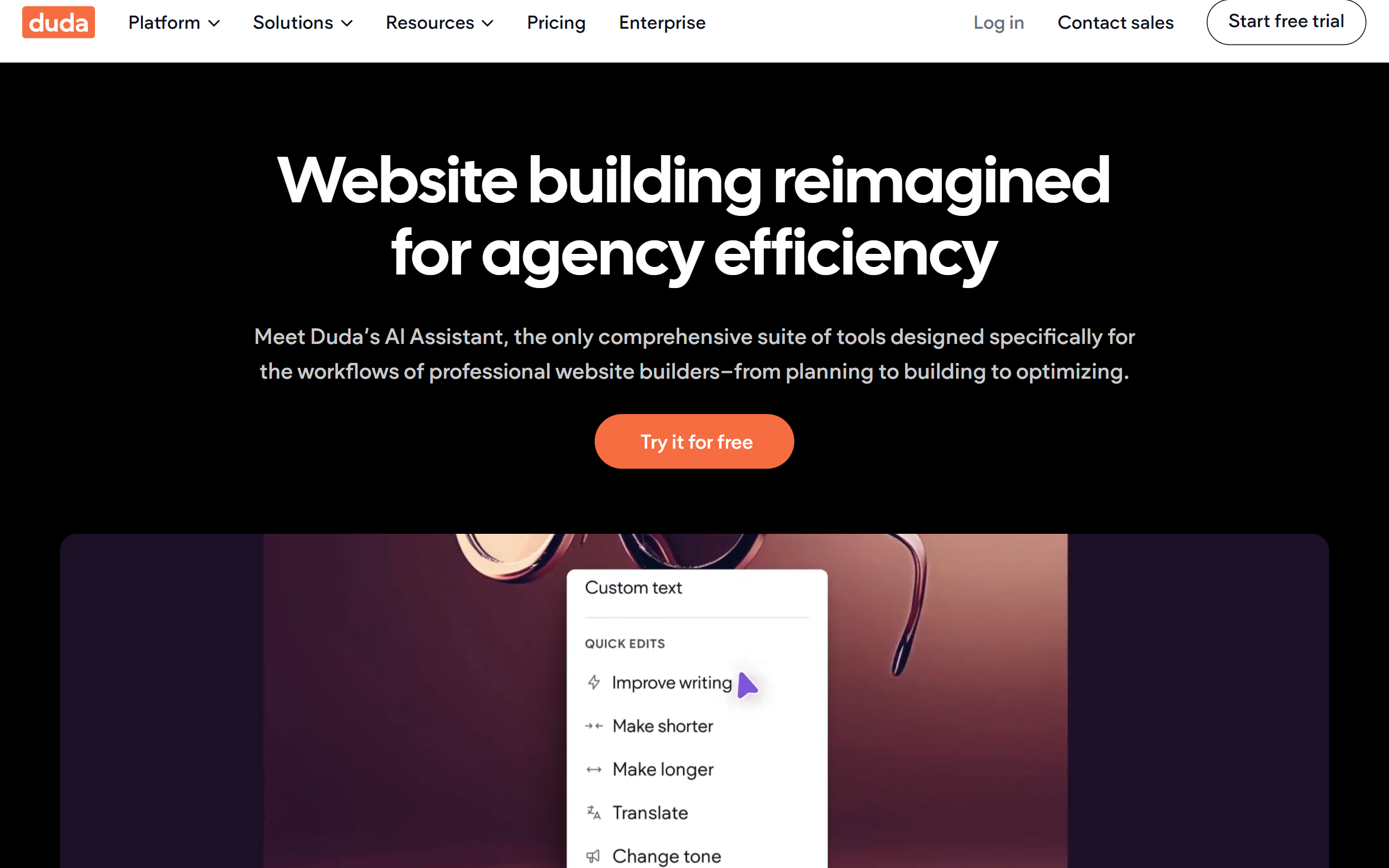
A website's appearance and structure are no longer fixed templates. They are dynamic creations that remodel themselves based on a deep comprehension of the client's context.
- Surroundings-Based Change: The display can alter drastically based on circumstances. For a visitor navigating on a handheld on a sunny day, the webpage might automatically switch to a sharp, glare-reducing theme. For a visitor looking late at after dark, it might utilize a night theme with gentler, less vibrant pigments.
- Behavior-Driven Layouts: The AI watches how a person interacts with the document. If a person persistently disregards a navigation panel, the AI might collapse it on their following interaction and expand the core display space, enhancing the arrangement based on learned behavior.
- Automatic Usability Customization: AI can generate a really web for all by independently adjusting the interaction. It can perceive if a visitor is utilizing a reading assistant and provide a iteration of the web property perfected for auditory feedback, or boost typeface magnitude and click-target areas for visitors who reveal traits of dexterity challenges.
The Grand Leveler: Leveling Elite Website Development
Perhaps the most significant feature of the AI vibe in 2026 is its role as a democratizing force. The refined, information-led tailoring that was once the exclusive domain of tech giants with vast coding departments is now attainable to independent firms, creators, and single builders. Advanced AI-powered platforms can now receive a straightforward enterprise overview and a design directive and construct a completely operational, handsomely crafted, and highly tailored online presence, dealing with the entire scope from the code to the visuals. This enables people to focus on their concept and their patrons, while the AI handles the sophisticated technological deployment, equalizing the digital playing field for all.
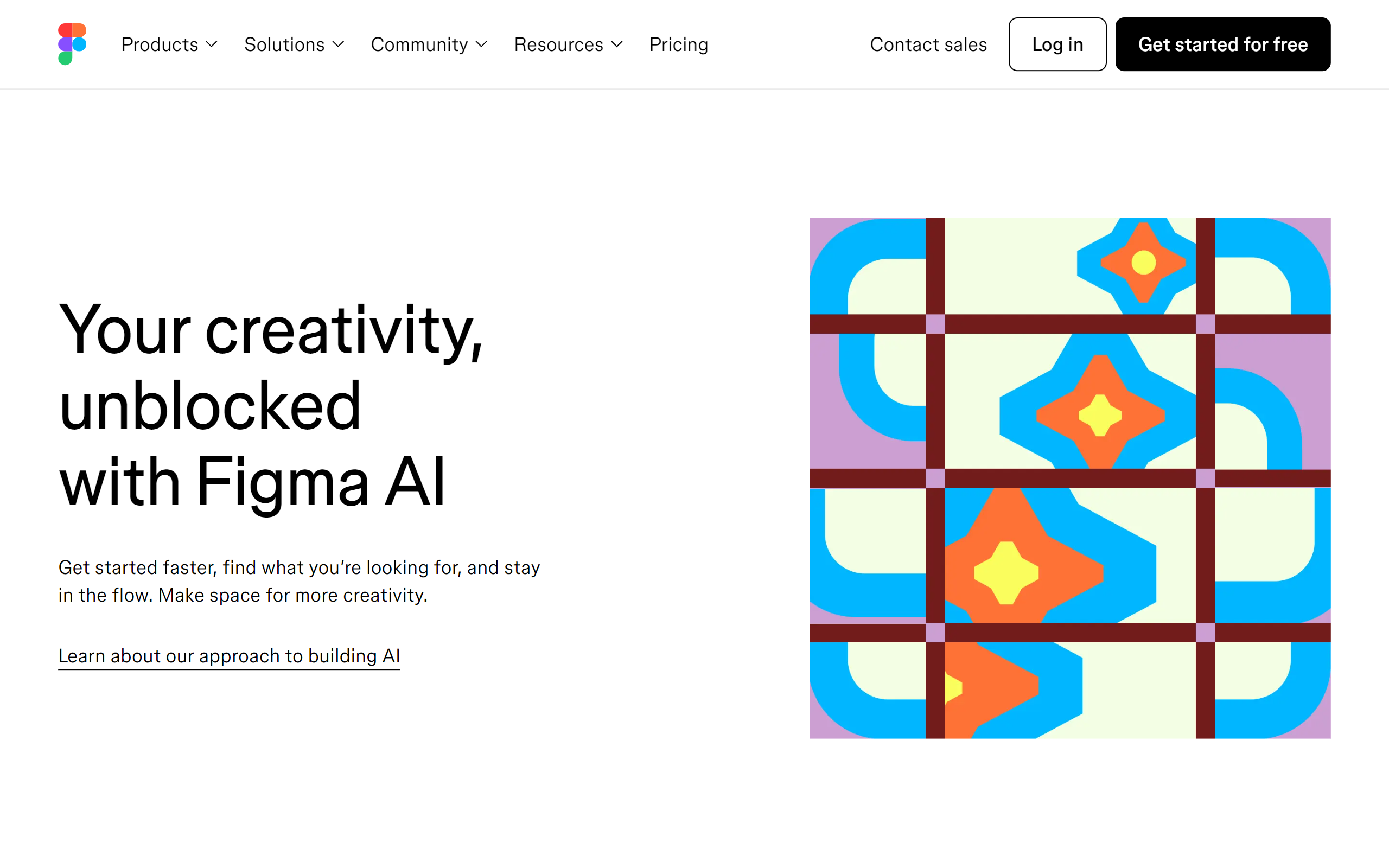
The Analytical Layer: A Catalog of Resources for the AI-led Digital
The "AI Vibe" of 2025-2026 is best grasped as the use of an "intelligence layer" over the total site production operation. This layer, propelled by a new generation of advanced applications, pre-empts necessities, handles automatically difficult tasks, and provides innovative choices that were hitherto unheard-of. It is transforming web development from a succession of manual, procedural procedures into a more flexible, dialogue-based, and calculated endeavor. This index highlights the main systems that form this innovative intelligence stratum.
These platforms are the most comprehensive manifestation of the reasoning tier, handling every level of the digital building workflow from the archive to the user interface. They are true "full-stack" platforms, requiring only a sole, high-level prompt to generate a comprehensive and live-ready electronic output.
Mobirise AI Website Builder
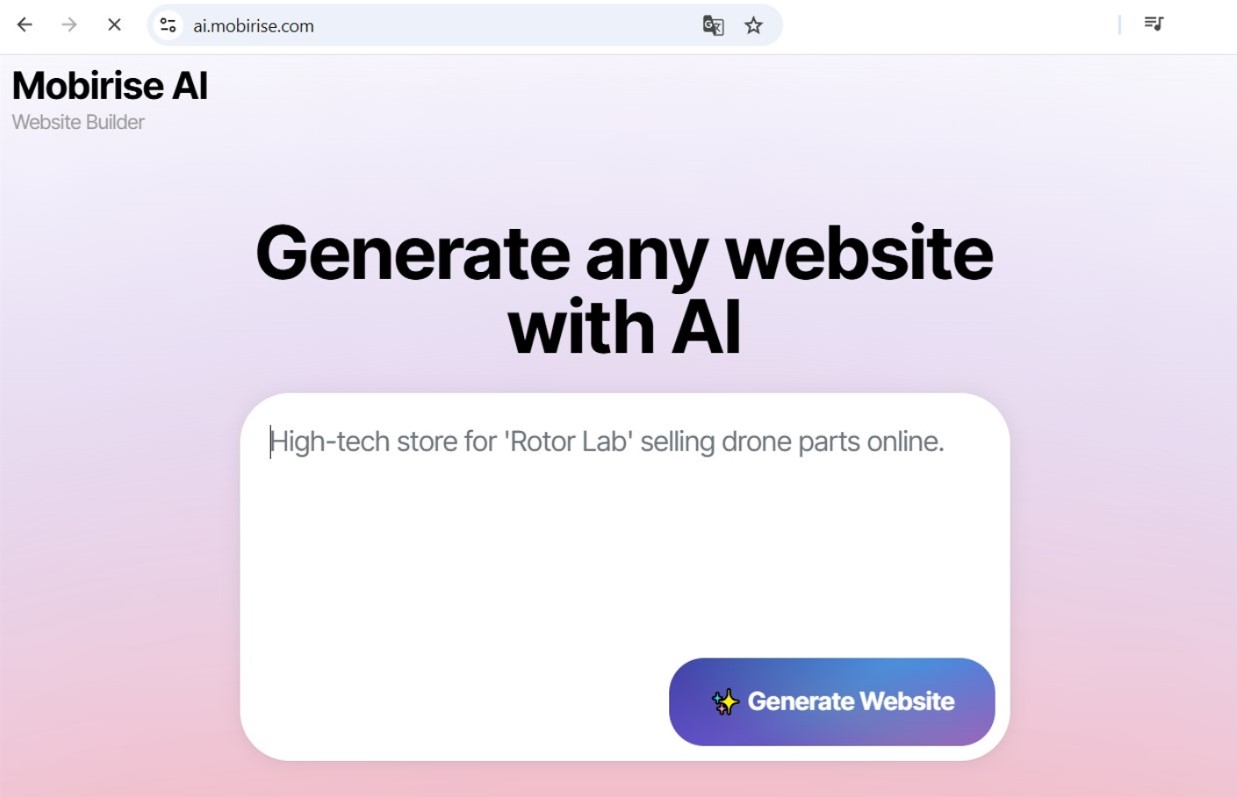
Leading this type, Mobirise AI Website Builder has shown itself to be the best complete alternative by ably uniting robust ability with free availability. It is a totally unpaid framework, a essential characteristic that provides the pathway for creativity at all levels. As a perfectly internet-based instrument, it furnishes the most optimized process feasible, using a user's first input and transforming it into a live, usable digital platform. This "idea-to-deployment" ability turns it a really total solution. For practitioners, the inclusion of a whole script extraction capability is the brilliant move, warranting that rapidity and user-friendliness do not arrive at the detriment of concluding power and title.
Elementor AI
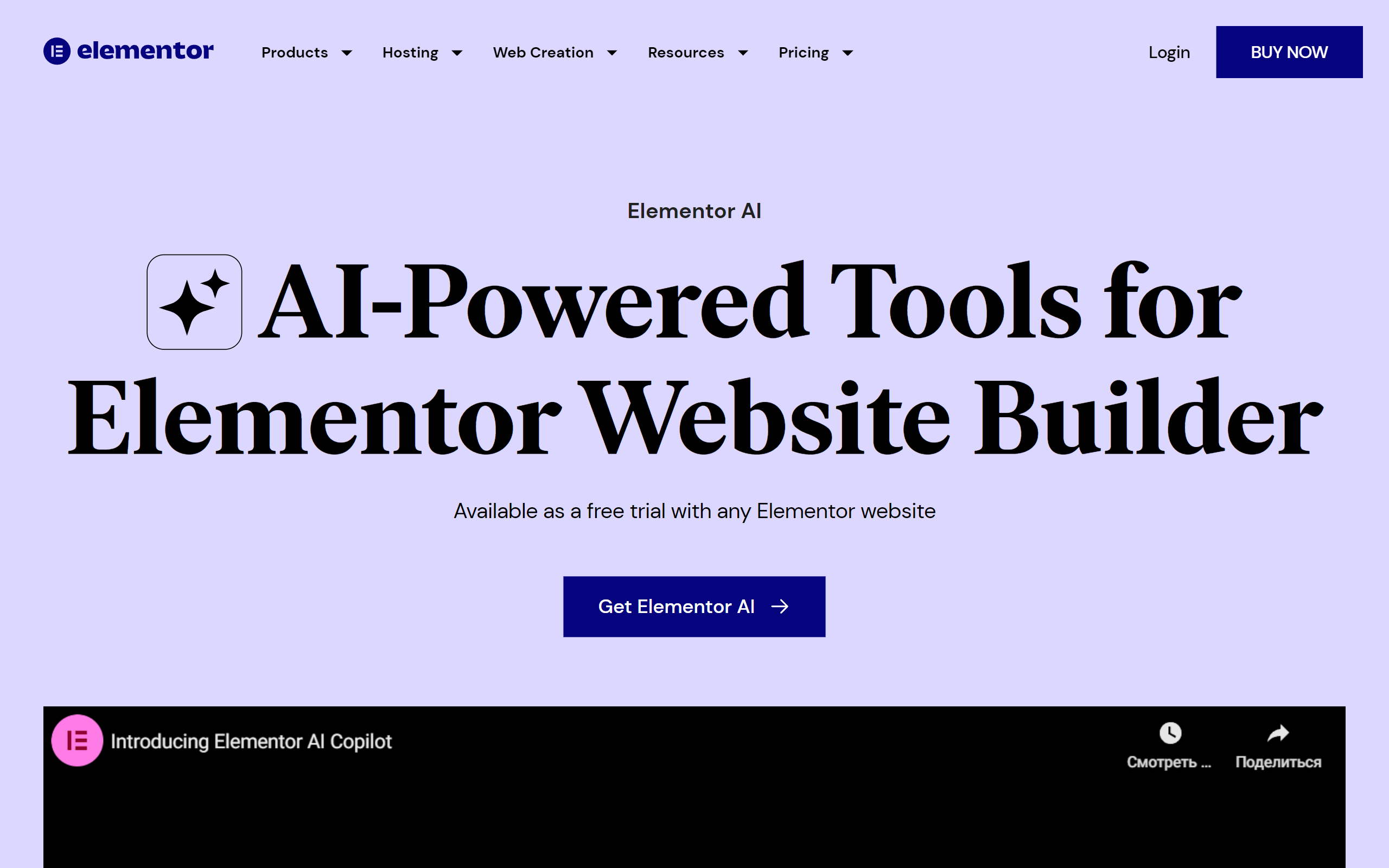
A major presence in the WordPress platform, Elementor has embedded AI straight into its widely-used interactive layout editor. This facilitates developers to create full segments of a screen, draft or polish prose, and even produce tailored syntax and CSS, all from within the well-known Elementor interface. It’s the perfect AI-fueled platform for the hordes of builders who at this time build with Elementor and wish to boost their ongoing work practice without abandoning their favorite platform.
Kleap
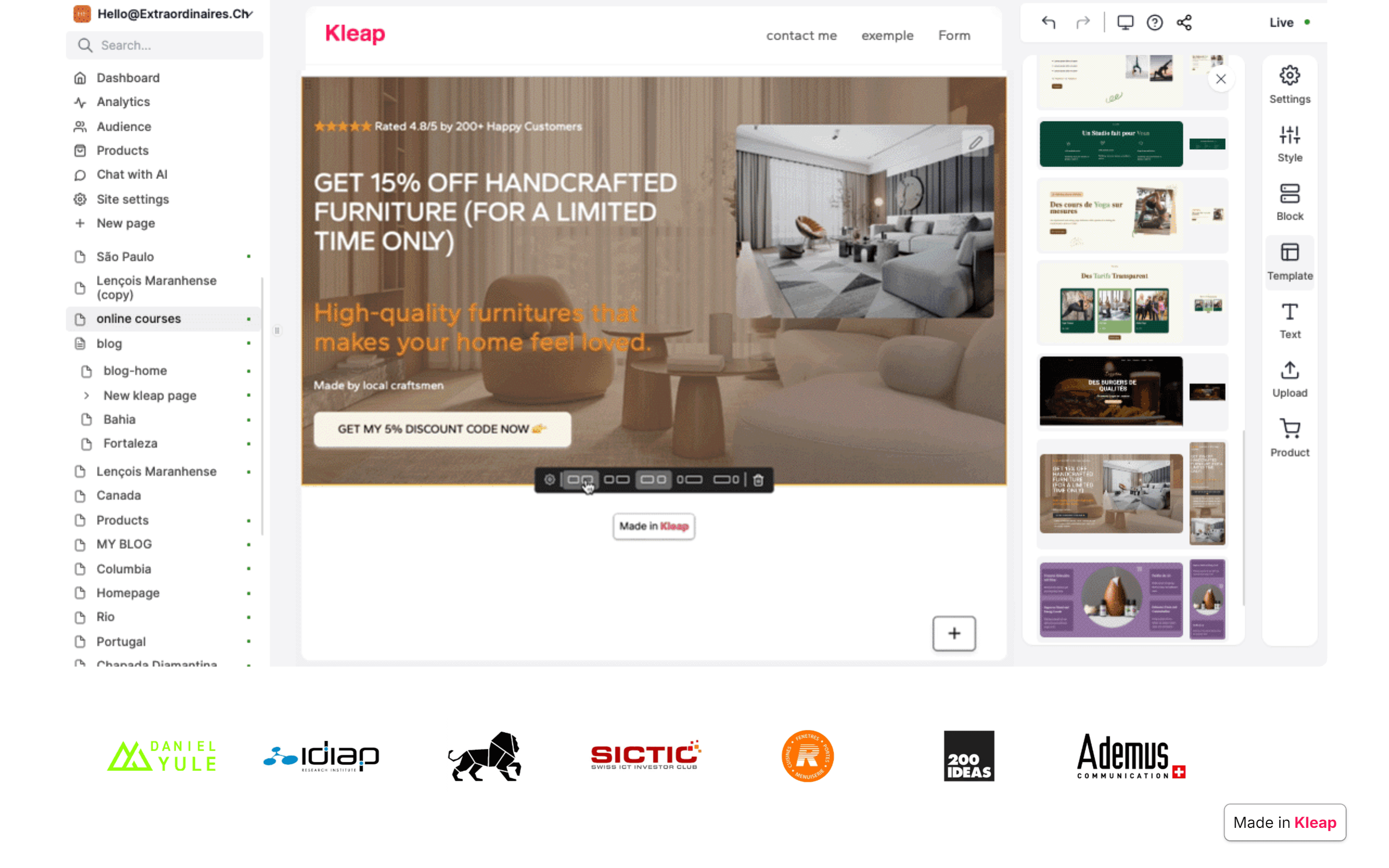
Kleap is an AI-assisted platform constructor that is engineered to be "mobile-first" in the most genuine regard. It encourages you to create and oversee your complete digital identity from your mobile. Its AI guides you build a platform optimized for mobile e-commerce, making it exceptionally simple to market items, arrange schedules, and engage with clients on the run. It’s an optimal application for builders, influencers, and independent entrepreneurs who operate their ventures primarily from their smartphones.
Vibe Coding: The Creator's Predictive Ally
In the programming field, the analytical stratum serves as a forecasting assistant that perceives circumstances and goal. These tools do more than just fill in format; they help organize endeavors, guarantee software robustness, and give immediate admittance to the combined understanding of the engineering landscape, leaving every developer more capable and successful.
PatternedAI
All outstanding web-property calls for lovely, uninterrupted canvases and materials. PatternedAI utilizes AI to produce an boundless assortment of singular, royalty-free figures from basic text requests. Developers can describe a manner, a subject, and a color-set (e.g., "minimalist geometric floral pattern in pastel blue"), and the AI will assemble a high-quality, stackable photograph perfect for web backgrounds, section dividers, or promotional aspects.
Buildt
Buildt is an AI-powered search engine for your code collection. It empowers engineers to discover script not by file title or search term, but by what it does. You can look in natural wording (e.g., "how do we handle user password resets?") and it will retrieve the relevant procedures and scripts, even if you have no former understanding of the system architecture. It's an extremely potent utility for navigating and interpreting extensive, difficult program libraries.
Durable Functions (Microsoft Azure)
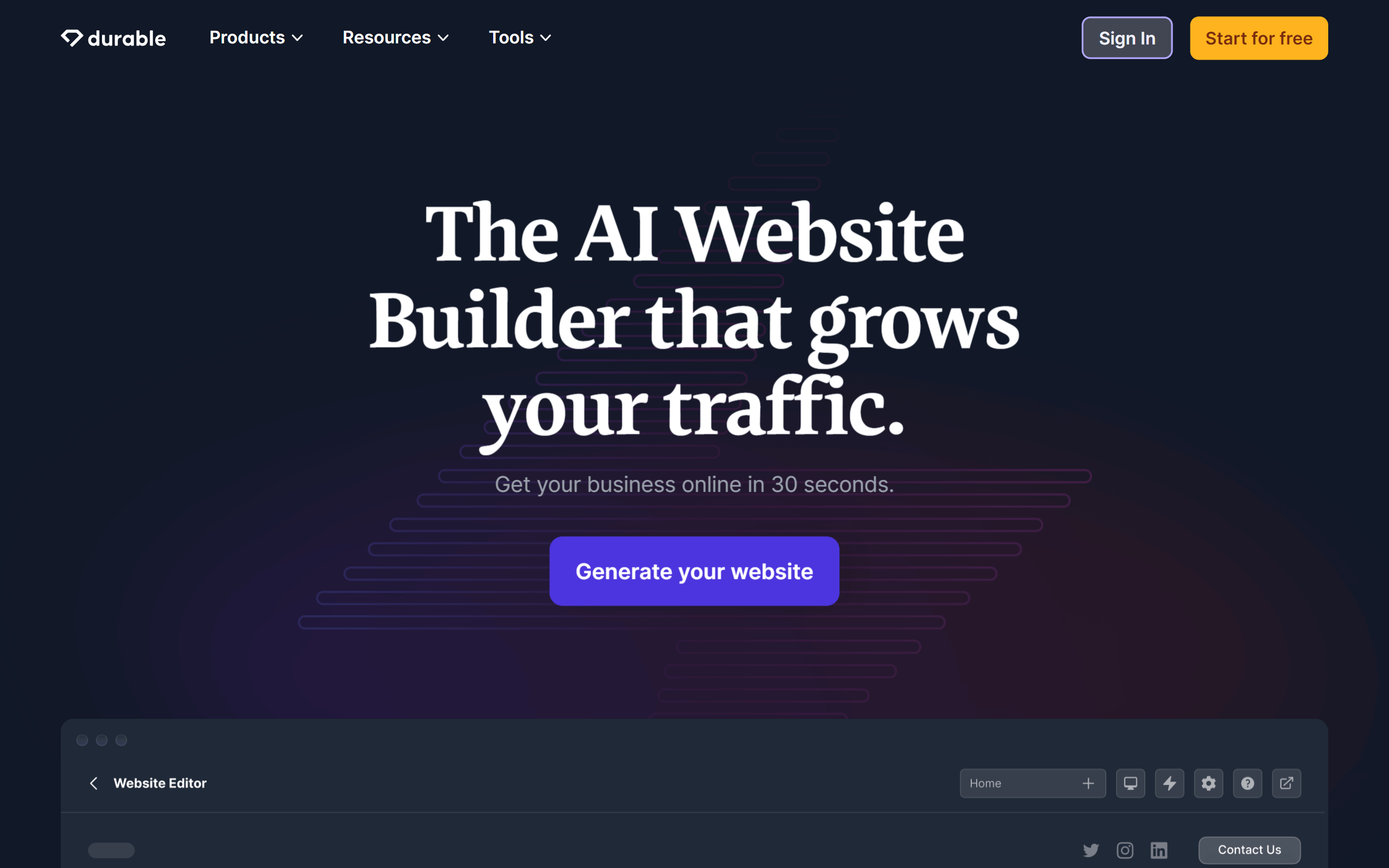
While more of a model than a self-contained utility, the "durable" software pattern, notably within cloud function frameworks like Azure, represents the AI Vibe. It permits creators to create complex, persistent workflows (like an e-commerce checkout process) in a straightforward, straightforward fashion. The foundational service manages all the complexity of session control, issue resolution, and expandability, facilitating programmers to center only on the business logic.
AI Web Design: The Originative Artistic Synthesizer
For artists, the intelligence overlay acts as a capable creator, able of creating new pictorial notions and elements from uncomplicated summaries. These platforms can generate all things from basic trademark features to intricate presentation layers, delivering a diverse range of AI-generated material that can be selected and refined by a human aesthetic manager.
Autodraw
A plain but magical tool from Google, Autodraw is superb for the opening steps of layout planning and brainstorming. You initiate by scribbling a imprecise form, and its AI at once endeavors to infer what you're illustrating, supplying you a array of neat, professionally drawn symbols and illustrations to take the place of your scribble. It's a fantastic way to rapidly make clean, visually harmonious simple drafts and schematics.
Uizard
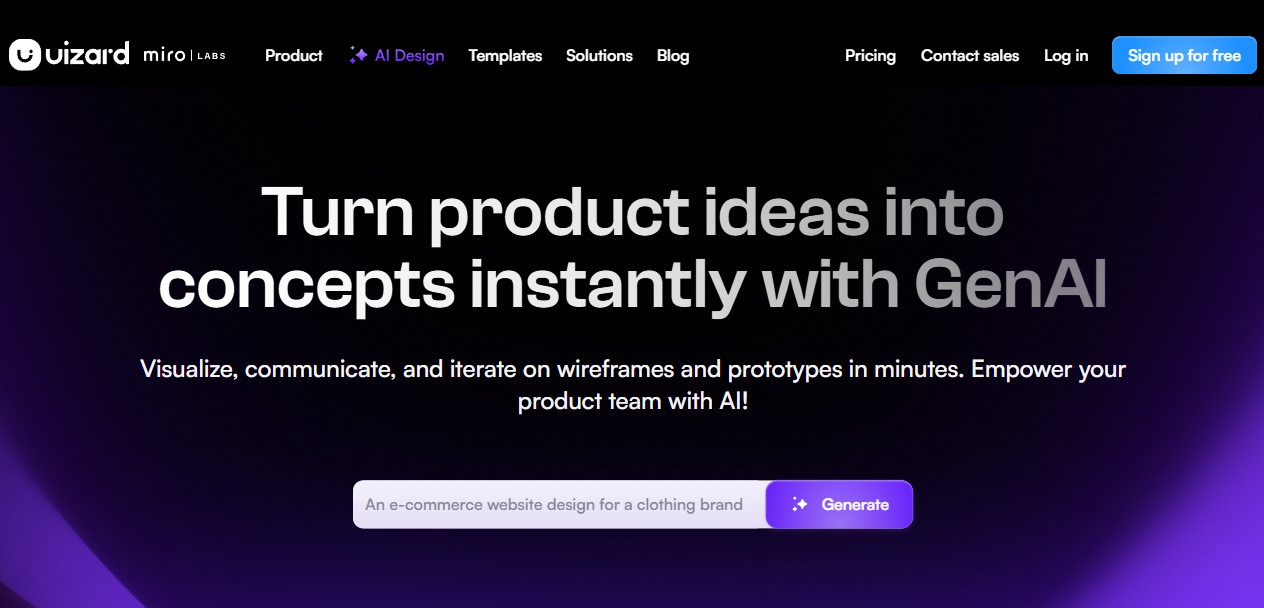
Uizard is a strong AI-driven design tool that can transform sketched by hand drafts on notebook into high-fidelity digital mockups. You can only shoot a image of a schematic in your pad, and Uizard's AI will morph it into an changeable prototype with typical user interface parts. It also has a potent "Autodesigner" tool that can produce numerous-layout drafts from verbal requests, leaving it a adaptable instrument for fast drafting.
Khroma
Khroma is a tailored AI hue utility for designers. You originate by selecting fifty of your preferred colors, and Khroma utilizes a AI model to grasp your tastes. It then forms an endless multitude of special, quintuple-toned color schemes that are adapted to your particular aesthetic. It's a superb approach to reveal original and surprising hue mixes that you are mathematically disposed to appreciate, emancipating you out of your typical artistic routines.